
Managed IT Services for

Medical and Dental Practices in Philadelphia.

Cybersecurity. Help Desk. Microsoft 365. Backups. Networks. One Trusted IT Partner.

Best IT Guru helps Philadelphia medical and dental practices reduce downtime, protect patient information, and keep their technology running smoothly.

Complete IT Support for Your Practice

IT Support for
Medical Practices

Reliable, secure IT solutions for physicians, specialists, and healthcare organizations.

IT Support for
Dental Practices

Keep your dental office secure,
productive, and running smoothly
with expert IT support.

Common IT Challenges for Medical and Dental Practices

We help you solve the technology challenges that impact your practice.

Why Medical and Dental Practices Choose Best IT Guru

A Trusted IT Partner for Medical and Dental Practices in Philadelphia.
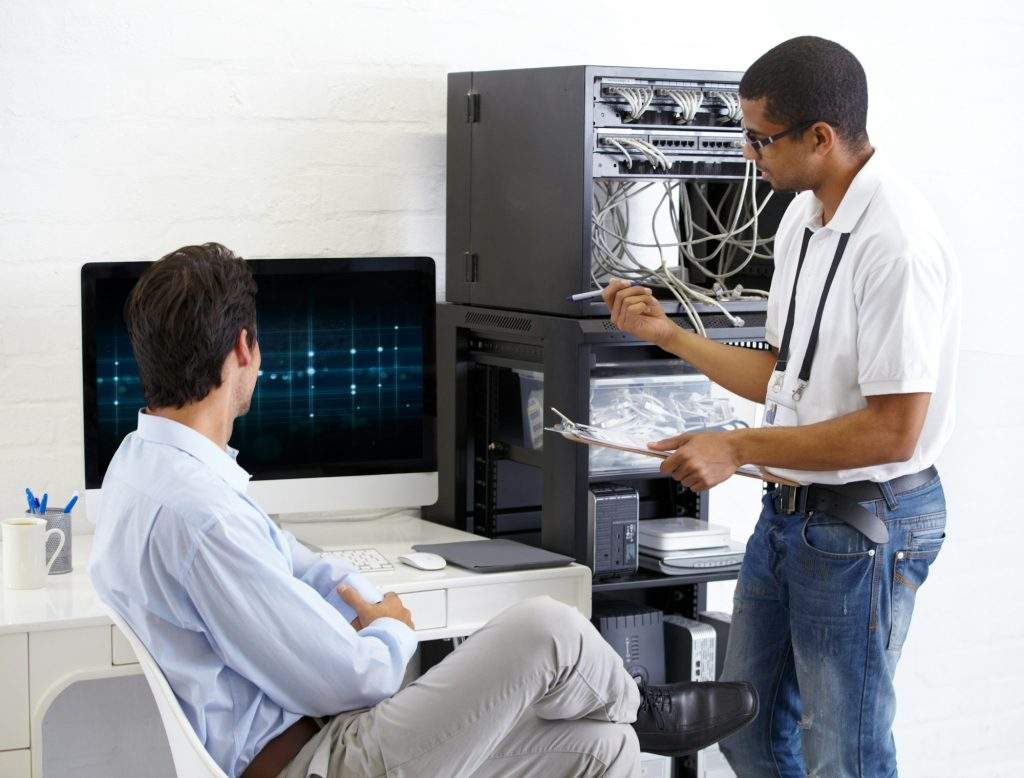
Onsite IT support. A young IT specialist ready to fix a server.

Schedule Your Free IT Assessment

Let’s review your current IT environment and identify opportunities to improve security, reliablity, and productivity. 

Is Your Practice Properly Protected?

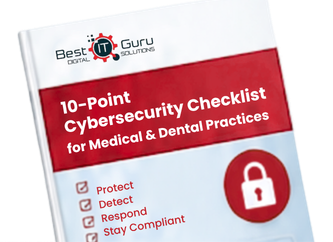
Download our free 10-Point Cybersecurity
Checklist for Medical & Dental Practices.

A simple checklist to help you identify risks and strengthen your cybersecurity and HIPAA safeguards. 

Don't Wait for an
IT Emergency

Find out where your biggest risks are now.

Latest IT Advice for Practice Owners

View All Articles 

Cyber Insurance? Why Every Business Needs It Before a Hack Happens#cybersecurity#smallbusiness

Cyber Insurance? Why Every Business Needs It Before a Hack Happens#cybersecurity#smallbusiness

https://bestitguru.com/salesappointment/
610-600-1985
What Is Cybersecurity (Cyber Liability) Insurance?
Cybersecurity insurance—also known as cyber liability insurance—helps protect your business financially after a cyber incident, such as when your business is hacked or experiences a data breach.
Most of us already have auto insurance. We buy it just in case an accident or mistake happens while driving. Of course, our intention is never to get into an accident—but accidents can happen.
Cyber insurance works the same way.
You don’t want anyone to steal your data, but mistakes happen, employees click the wrong link, and data breaches occur. Cybersecurity insurance is designed to help cover the financial impact when those events happen.
Cyberinsruce is designed to cover costs that arise from events like data breaches, ransomware attacks, phishing scams, and system outages.
Typical insurance can help pay for:
Typical cyber insurance coverage may include:
• Incident response and forensics (finding out what happened)
• Ransomware recovery, including negotiation support
• Customer notification and credit monitoring
• Legal fees and regulatory fines
• Business interruption losses

Do You Really Need Cyber Insurance for Your Business?
For most small businesses, yes.
You should strongly consider cyber insurance if you:
• Store customer data (names, emails, Social Security numbers, health, or payment information)
• Accept credit cards or online payments
• Use cloud services (email, CRM, accounting software)
• Have remote workers
• Rely on computers or technology to operate daily
Even a one-person business can face significant legal and recovery costs after a cyber incident.

What Cyber Insurance Does Not Replace
Cyber insurance does not replace cybersecurity.
Insurance companies expect businesses to have basic security protections in place, such as:
• Strong, unique passwords
• Multi-factor authentication (MFA)
• Regular software updates
• Secure backups
• Employee phishing awareness training
Without these controls, claims can be denied or reduced.
In many cases, you may also pay higher cyber insurance premiums if basic protections are not in place, because insurers assess risk based on the information you provide during underwriting.
Think of cyber insurance like car insurance:
It helps after a crash—but you still need brakes and seatbelts.

Bottom Line
Cybersecurity insurance is no longer optional—it’s a financial safety net.
However, it works best when paired with strong cybersecurity practices.
Best approach:
👉 Prevent attacks first
👉 Insure against what you can’t fully prevent

Let us help you:
• Reduce your cyber risk
• Meet insurance security requirements
• Protect your business without enterprise-level costs
📞 Schedule a free cybersecurity risk check with Best IT Guru
and find out where attackers could get in—before they do.


Your Biggest Cyber Risk Isn’t Hackers — It’s This #motivation #lifeisbutadream #education

Your Biggest Cyber Risk Isn’t Hackers — It’s This #motivation #lifeisbutadream #education

Most cyberattacks don’t start with hackers — they start with employees.

One click on a phishing email.
One fake login page.
One reused password.

That’s all it takes to compromise a business.

In this video, I explain why the human factor is the #1 cybersecurity risk for small businesses and how attackers exploit human behavior instead of breaking through firewalls.

You’ll learn:
• Why hackers target people, not systems
• How phishing attacks really work
• Why stolen credentials cause most breaches
• What small businesses can do to reduce human risk

The solution isn’t blame — it’s protection:
✔️ Security awareness training
✔️ Multi-factor authentication (MFA)
✔️ Least-privilege access
✔️ Zero Trust security controls

👋 I’m Qamar from Best IT Guru. www.bestitguru.com 610-600-1985 or 800-72304168
I help small businesses stay secure, reduce cyber risks, and protect their data — without the cost of a full IT department.

👍 Like this video if it helped
🔔 Follow for simple cybersecurity tips
💬 Comment below: What’s your biggest security concern?

#Cybersecurity #SmallBusiness #Phishing #DataBreach #HumanFactor #ZeroTrust #MFA #CyberSecurityShorts

5 Cyber Hygiene Rules Every Employee Must Follow #lifeisbutadream #lawyer #success #law #lawyer

5 Cyber Hygiene Rules Every Employee Must Follow #lifeisbutadream #lawyer #success #law #lawyer

Most cyberattacks don’t happen because of hackers —
they happen because basic cyber hygiene is ignored.

In this short, I share a simple cyber hygiene checklist every employee should follow to prevent phishing, password theft, and data breaches.
cyber hygiene
cyber hygiene checklist
employee cybersecurity
small business cybersecurity
phishing awareness
password security
strong passwords
two factor authentication
2FA security
data breach prevention
business cybersecurity
cybersecurity tips
IT security tips
employee training cybersecurity
human factor security
Best IT Guru
Qamar Barkat
cybersecurity shorts
This checklist covers:
• Strong, unique passwords
• Two-factor authentication (2FA)
• How to spot suspicious emails
• Why software updates matter
• Why passwords should never be shared

Cyber hygiene is like washing your hands —
it’s simple, but it prevents disasters.

👋 I’m Qamar from Best IT Guru. www.bestitguru.com 610-600-1985
I help small businesses stay secure with simple, practical cybersecurity tips — without the cost of a full IT department.

👍 Like & follow for more cybersecurity tips
💬 Comment: Which rule do you see employees break most often?

1 … 3 4 5 6 7 … 14